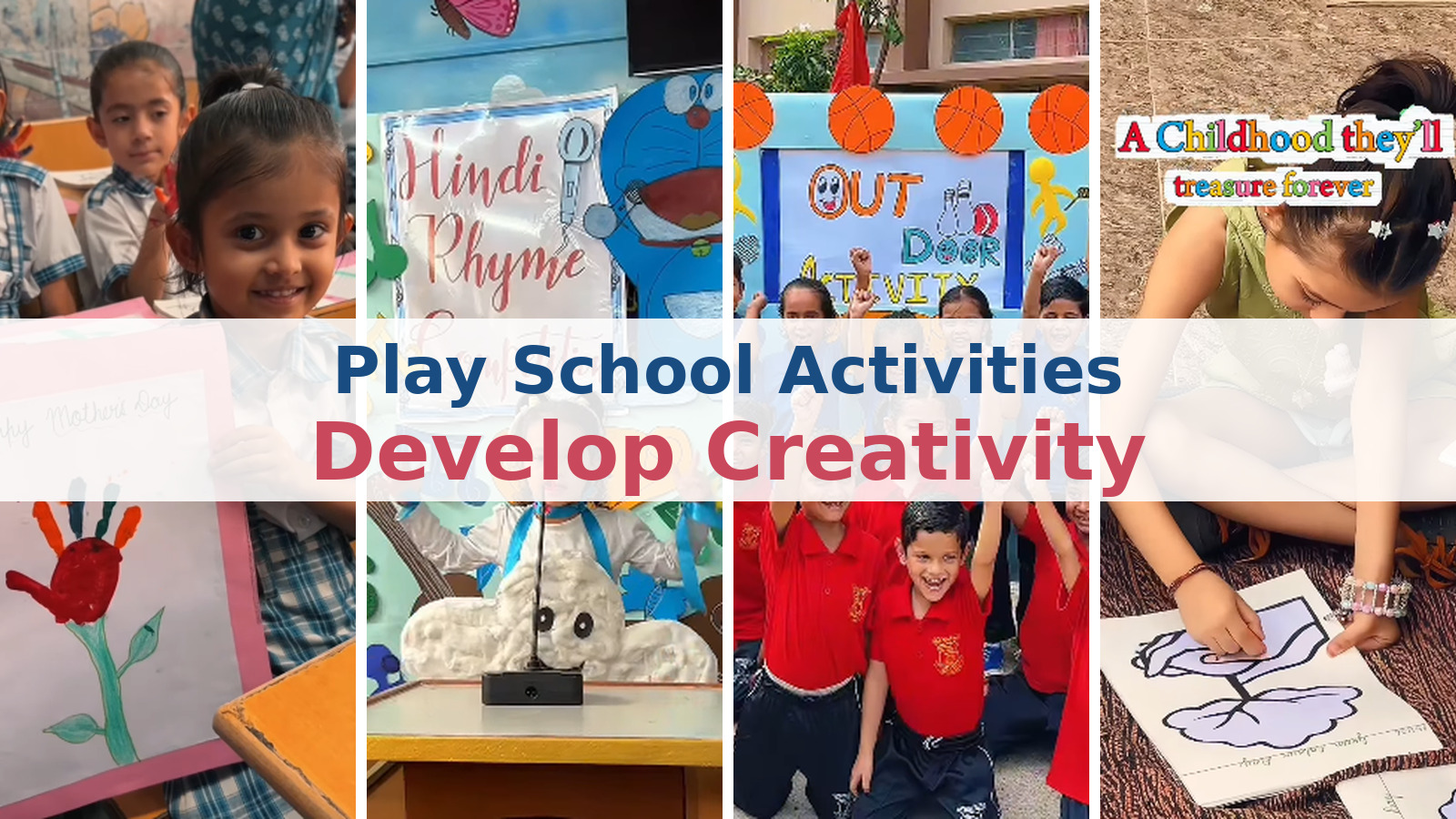
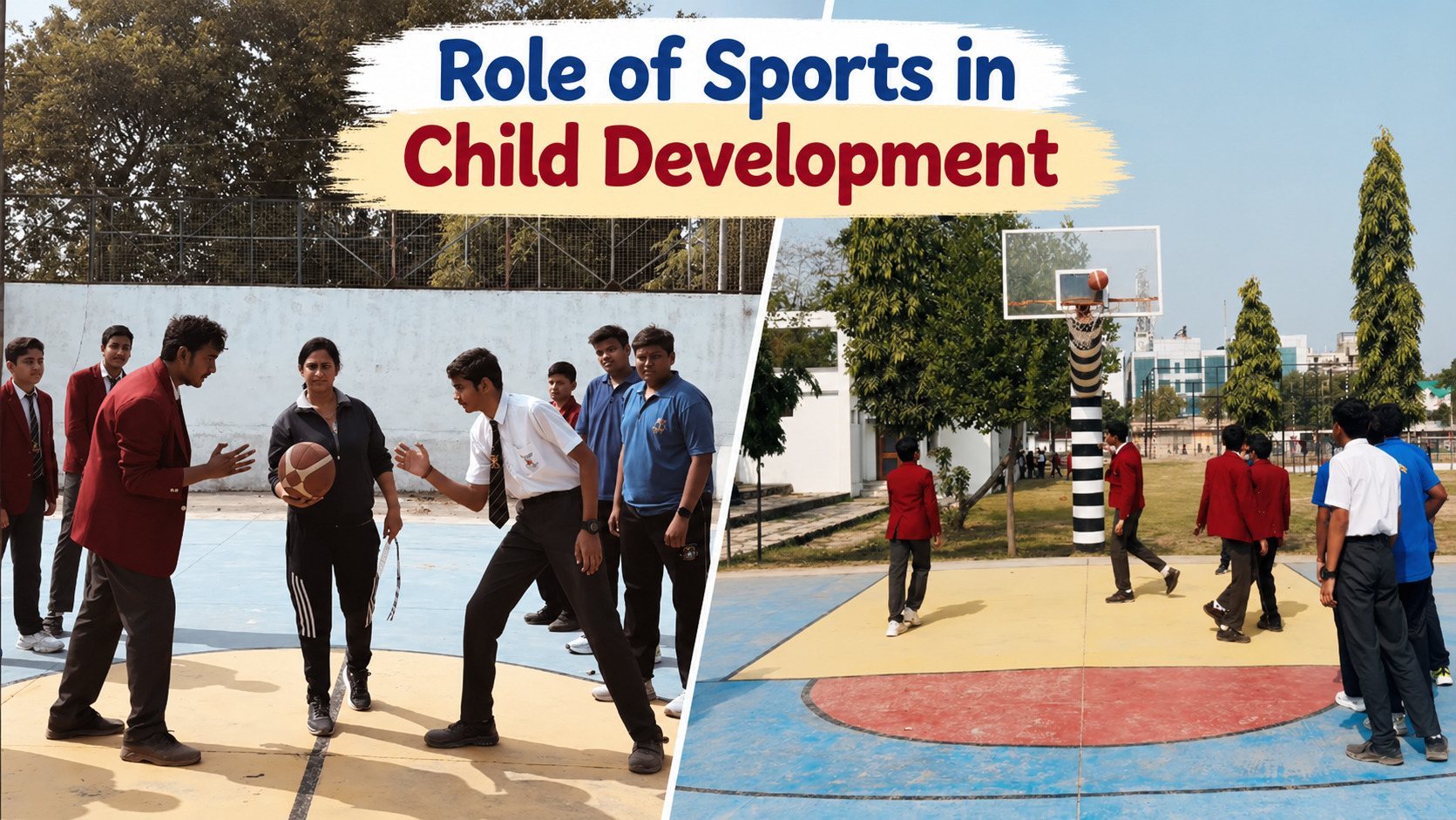
Choosing a school involves more than comparing classrooms, academic results, or extracurricular activities. For many families, the learning environment and daily routine also play an important role in a child's development. Life at a boarding school gives students opportunities to learn, study, participate in activities, and live within a structured environment. At Modi Public School, Kota, the boarding experience can be viewed as an important part of helping students develop independence, discipline, confidence, and responsible habits alongside their academic learning.
How Boarding School Life Supports Student Development
A boarding school provides students with a routine that extends beyond regular classroom hours. Students manage their study schedules, participate in activities, interact with peers, and follow daily responsibilities under appropriate guidance. This environment can gradually help them become more organised and aware of how their choices affect their everyday life.
For parents considering a CBSE school in Kota, it is useful to look at both academic planning and the wider residential environment. A balanced school experience can support students as they progress through different academic and personal stages.
Key Ways Boarding Life Builds Independence and Confidence
1. Learning to Manage Daily Responsibilities
Students living away from home gradually become more involved in managing their everyday responsibilities. Organising school materials, maintaining personal routines, completing assignments, and preparing for the next day can encourage self-management.
2. Developing Discipline Through Routine
A consistent schedule helps students understand how to balance academics, recreation, rest, and other activities. Discipline in this setting is not only about following rules; it also involves developing habits that help students use their time responsibly.
3. Building Confidence Through Participation
Boarding life gives students regular opportunities to communicate with classmates, teachers, and residential staff. Participating in classroom discussions, sports, cultural activities, group projects, and school events can help students become more comfortable expressing themselves.
What Students Can Learn From a Structured Residential Environment
A well-managed residential environment can contribute to several aspects of student development. Parents evaluating Schools with hostel facility in Kota should consider how the school approaches supervision, student wellbeing, academics, activities, and daily routines.
- Time management: Students learn to organise study and personal schedules.
- Responsibility: Daily tasks encourage students to take ownership of their commitments.
- Teamwork: Shared activities provide opportunities to cooperate with peers.
- Communication: Regular interaction can strengthen communication skills.
- Adaptability: Students experience new routines and learn to adjust to different situations.
- Self-confidence: Participation in academic and co-curricular activities can encourage confidence.
- Social awareness: Living with peers can teach respect, cooperation, and consideration.
- Balanced development: Students can experience academics alongside sports and other activities.
How Parents Can Evaluate a Boarding School
Before selecting a residential school, parents should look beyond basic facilities and understand how students experience everyday school life. These steps can help create a more informed decision when exploring options such as Modi Public School, Kota:
- Understand the academic approach and curriculum followed by the school.
- Review the daily residential routine to understand how study, activities, meals, rest, and recreation are managed.
- Check student supervision and the systems available for students living on campus.
- Explore sports and co-curricular activities that encourage participation beyond academics.
- Understand communication practices between the school, students, and parents.
- Consider the overall environment and whether it matches the child's learning and personal needs.
Beyond Academics: Learning Skills for Everyday Life
Boarding education can provide learning experiences that extend beyond textbooks. Students encounter situations where they need to communicate, cooperate, make decisions, and take responsibility for their routines. At Modi Public School, Kota, these aspects can form part of a broader school experience that supports students both inside and outside the classroom.
1. Peer Interaction and Teamwork
Living and learning alongside peers encourages students to understand different personalities and viewpoints. Group activities can help develop cooperation and respectful communication.
2. Balancing Studies and Activities
A structured schedule can teach students how to divide their time between academic responsibilities, physical activities, hobbies, and relaxation. This balance can support healthier study habits.
3. Preparing for Future Responsibilities
Independence developed during school years can become useful when students move into higher education and professional environments. Learning to manage time, communicate clearly, and take responsibility can prepare them for situations beyond school.
Frequently Asked Questions
Q1. How does boarding school help students become independent?
Boarding school gives students opportunities to manage daily routines, academic responsibilities, personal organisation, and interactions with peers. With suitable guidance and supervision, these experiences can gradually encourage self-management and responsible decision-making.
Q2. What should parents consider when choosing the best boarding school in Kota?
Parents should consider the curriculum, teaching approach, residential routine, student supervision, safety practices, sports, co-curricular activities, communication with parents, and the overall learning environment before making a decision. Visiting the school and understanding its residential environment can also help parents make an informed choice.
Q3. Are CBSE schools suitable for boarding education?
A CBSE school in Kota can combine the CBSE curriculum with a residential learning environment. Parents should review the school's academic approach, student support systems, activities, and residential facilities to understand whether they meet their child's requirements.
Q4. What are the benefits of Schools with hostel facility in Kota?
Schools with hostel facility in Kota can provide students with a structured environment where they study, participate in activities, interact with peers, and follow supervised daily routines. This can support academic, social, and personal development.
Q5. Does boarding school improve confidence?
Regular interaction with teachers and peers, participation in group activities, and opportunities to take responsibility can help students become more comfortable communicating and making decisions. Confidence develops gradually through these everyday experiences.
Life at a boarding school can offer students learning experiences that extend beyond academics. A structured routine can encourage discipline, while daily responsibilities can support independence and self-management. Interaction with peers and participation in different activities can also contribute to confidence and communication skills. When parents are evaluating the best boarding school in Kota, they should consider the complete educational and residential environment. Modi Public School, Kota can be explored as part of this evaluation by understanding its academic approach, boarding environment, activities, and student support systems.